IRC is an international think tank actively building strong water, sanitation and hygiene systems – from the bottom up and the top down. We exist to support countries to build strong local and national services, underpinned by resilient systems, that transform lives and build equity, justice and opportunity for all.
Many people around the world still lack safe water and sanitation. It is unacceptable. And solvable.
Our solution fixes this challenge by connecting big, disruptive ideas with real, operational service delivery.
Together we can do this better than we can alone.''
Patrick Moriarty, CEO, IRC
With just seven years left to achieve UN Sustainable Development Goal (SDG) 6: Clean Water and Sanitation for All by 2030, IRC, Water For People and Water for Good, have joined forces to drive rapid progress in the delivery of water and sanitation services in 15 countries and reach 200 million people over the next decade. Through our newly formed One For All alliance, we have established "Destination 2030," our vision to play our part in achieving SDG 6.
The Destination 2030 vision is clear: the pursuit of justice and opportunity for all through the delivery of safe water, sanitation, and hygiene services. A simple truth drives us – we can do more together, and do it faster than we can alone.
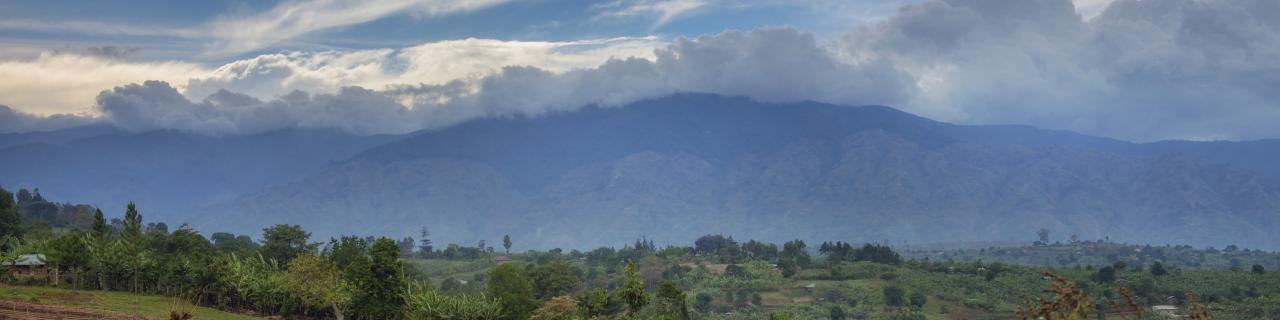
Uniting citizens, experts and governments to deliver sustainable services to 3.6 million people
Two partner districts; 352,000 people, deteriorating security, political support, and a utility with a plan. The reality of systems change.
Two partner districts; 489,935 people, political conflict, strong partners, dedicated civil servants. The time is right for a systems approach.
One partner district; 68,799 people, SDG 6 on track, powerful political leadership, a strengthening rural utility. Growth is unlocking potential.
16 municipalities; 249,000 people, a joint strategic plan with our D30 alliance partner Water For People. Everyone forever is our goal.
We act as a sub-continent think tank for safely-managed services for India and its states, Bangladesh and surrounding Nations.
Our newest focus country; developing plans, a portfolio of projects and partnerships growing, effective WASH in the health system a key focus.
Our focus is on encouraging national leadership, WASH in health and support to district leaders. A systems approach is gaining momentum.
Two partner districts; 532,900 people, post-Covid shocks, a Ministry MoU, a National Development Plan. Enhancing technical skills remains a focus.
Making lasting change takes everyone, in all parts of the system, to challenge the way they think and act.